

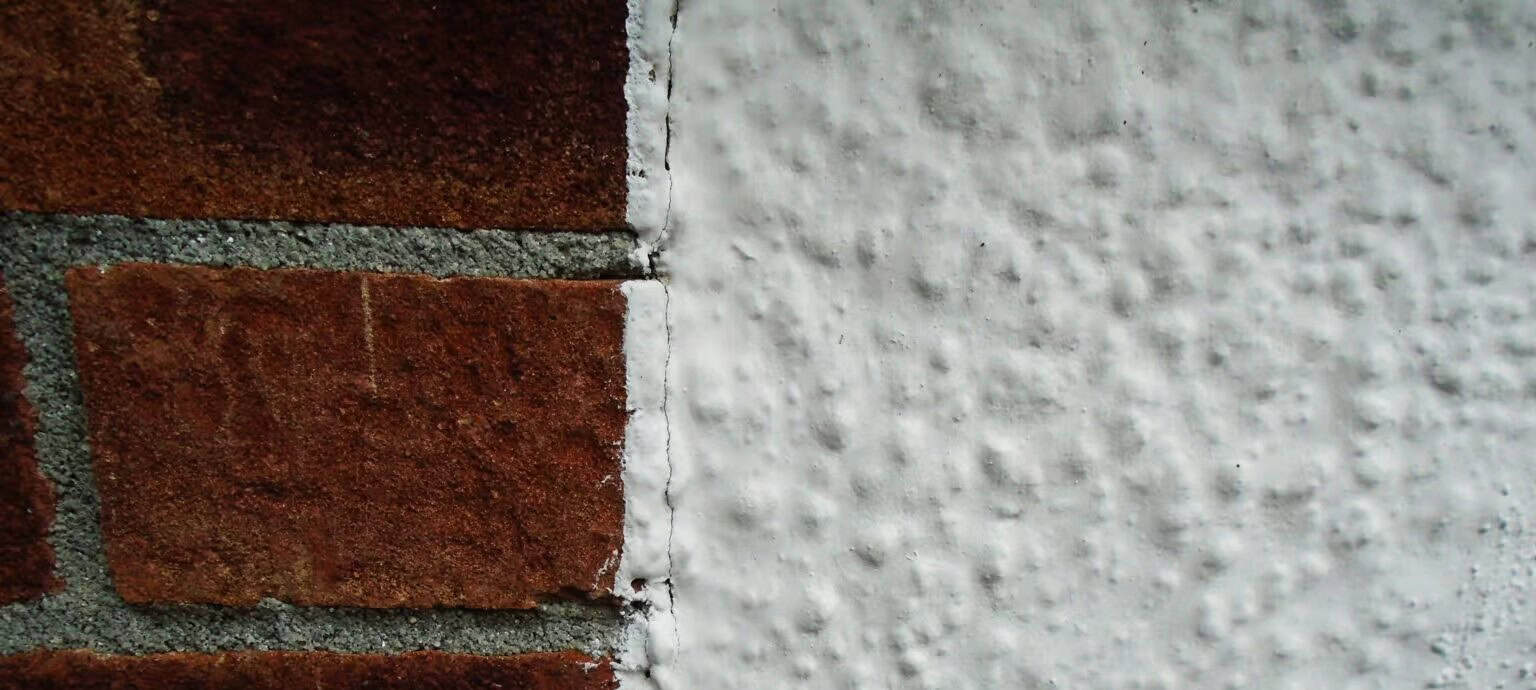
If you have an older house covered in pebble dash, you may have reached the point where you simply want it to look different.
Perhaps the finish is cracked, weathered or dated, or you are wondering whether there is a way to achieve a smoother, more modern appearance without the upheaval of completely stripping the exterior.
The short answer is yes, rendering over pebble dash can sometimes be possible. However, it is not a case of simply putting new render over whatever is already on the wall.
The condition, stability, texture and construction of the existing surface all need to be considered first.
Can You Render Over Pebble Dash?
Yes, in some circumstances, but it depends on the condition of the existing pebble dash and the proposed rendering system.
If the existing finish is sound, firmly attached and capable of providing a suitable base, there may be ways of working over it.
If it is loose, failing or affected by underlying problems, removing defective material may be necessary.
This distinction matters. A new finish can only perform properly if the surface beneath it is suitable.
Covering a failing surface without dealing with the reason it is failing can simply move the problem out of sight rather than solve it.
Does Pebble Dash Always Have to Be Removed?
No. Pebble dash does not automatically have to be removed before a property is given a new exterior finish. Whether removal is sensible depends on what is actually happening to the existing surface.
After decades of working with exterior walls, one of the mistakes I would urge homeowners to avoid is deciding on removal simply because they dislike the appearance. Appearance and condition are two different questions.
A properly bonded, stable finish may present a very different proposition from one that is loose, hollow or extensively cracked.
What Should You Check Before Rendering Over Pebble Dash?
There are several things an experienced contractor should establish before recommending what happens next.
1. Is the Existing Pebble Dash Firmly Attached?
Loose or detached areas are an obvious concern. If sections of the existing finish have lost their bond with the surface underneath, adding another layer over them does not make the underlying problem disappear.
The wall should therefore be examined for areas that are unstable, damaged or otherwise unsuitable to receive a new finish.
2. Are There Cracks That Need Investigating?
Not every crack means there is a serious structural problem, but cracks should not simply be covered because they are inconvenient to deal with. Their size, pattern, location and cause all matter.
Where cracking is associated with movement, damaged render or moisture, the cause needs to be considered before deciding on a new finish.
3. What Is Underneath the Pebble Dash?
Pebble dash is a surface finish, not the wall itself. Beneath it could be brickwork, blockwork or another rendered surface, and the construction of the building can affect which materials and methods are appropriate.
This is particularly important with older houses. The materials used when the property was built may behave differently from modern construction materials, so the age and construction of the house should form part of the assessment.
4. Is There a Damp or Moisture Problem?
A new render should not be used simply to hide damp. Water can enter a building for several reasons, including defects to the existing finish, rainwater goods, joints, roofs, plumbing or other parts of the building.
If there is persistent damp, staining or unexplained moisture, the cause should be understood before choosing an exterior finish. Good house maintenance starts with fixing the underlying problem rather than covering it.
What Are the Alternatives to Removing Pebble Dash?
Removing the existing finish is only one possible approach. Depending on the property, its condition and the appearance you want to achieve, the options may include:
- Repairing the existing finish where the underlying problems are localised.
- Preparing and improving the existing surface where it is sufficiently sound.
- Applying a suitable new finish where the existing surface can safely form part of the build-up.
- Removing defective areas or the existing finish where it is no longer a suitable base.
- Re-rendering the exterior where a new render system is the appropriate solution.
The important point is that these are not interchangeable solutions. The correct choice should follow an assessment of the actual wall rather than a decision made from a photograph of somebody else’s house.
Can You Paint Over Pebble Dash Instead?
Sometimes, but masonry paint is not a substitute for repairing a defective surface.
If the existing pebble dash is sound and the main problem is its colour or weathered appearance, painting may be worth considering.
If the surface is cracked, loose or deteriorating, however, simply applying paint will not correct those defects. The preparation required will depend on the condition of the existing finish and the type of paint or other system being considered.
This is why it is useful to establish what you are actually trying to achieve. Changing colour is very different from repairing a failing exterior.
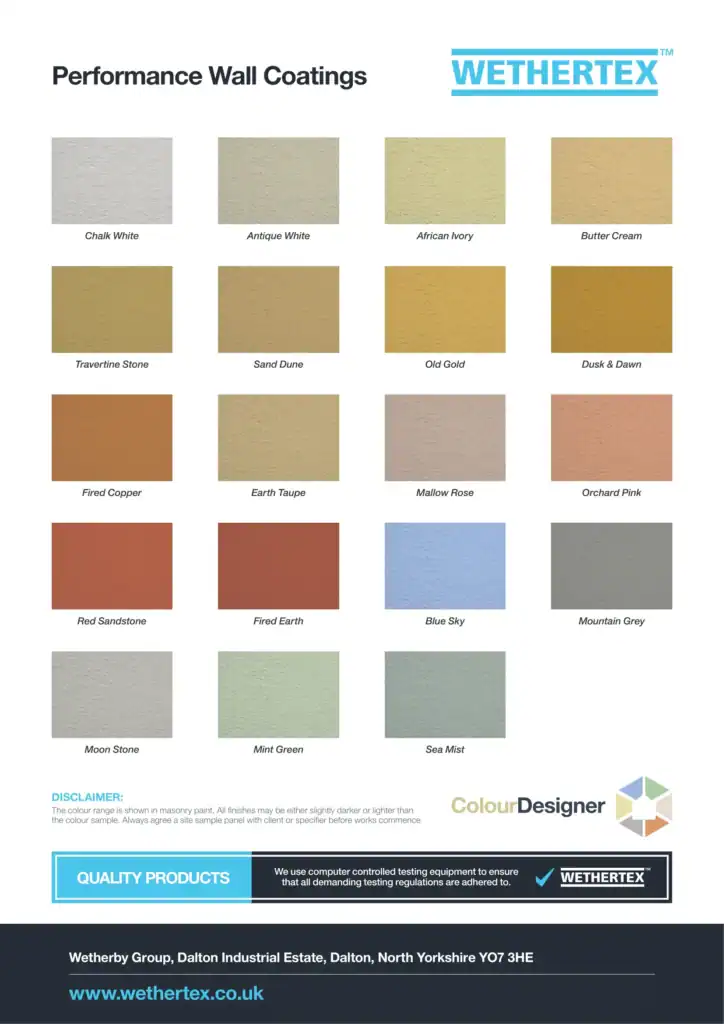
What If You Want a Completely Different-Looking House?
This is where the condition of the existing pebble dash becomes particularly important. A homeowner may see an unattractive textured exterior and assume that the only answer is to strip everything away and start again.
That can be the right solution in some cases, but it is not automatically the most appropriate one. There may be other ways of changing the appearance, depending on the substrate and the condition of the existing finish.
The sensible starting point is therefore not “Which product should I buy?” but “What is actually on my house, and what condition is it in?”
What Should I Ask a Contractor Before Agreeing to the Work?
Before committing to a substantial exterior project, ask for the proposed approach to be explained clearly.
- Why does the existing pebble dash need to be removed, if removal is being recommended?
- What condition is the existing surface in?
- What preparation will be carried out?
- Will cracks, loose areas or damaged sections be repaired first?
- What exactly will be applied to the wall?
- Why is that approach suitable for this particular property?
- How will existing moisture or damp concerns be dealt with?
You should be able to understand what is being proposed before you agree to the work. If you are considering a substantial exterior renovation, our rendering and exterior finish FAQs provide further answers to common homeowner questions.
So, Should You Render Over Your Pebble Dash?
Possibly, but there is no universal answer. A sound, stable pebble dash surface may provide options that would not be appropriate for a loose or deteriorating one. The age and construction of the property, the existing materials, any repairs required and the finish you want all need to be considered together.
That is why an assessment should come before a decision about stripping, rendering, coating or painting. The aim is to choose an approach that makes sense for the building rather than simply choosing the quickest way to cover what is already there.
Not Sure What Your Pebble Dash House Needs?
You do not need to know whether you need rendering, repair, preparation or another type of exterior finish before getting in touch.
With over 40 years of experience in exterior property renovation, Render Refresh helps homeowners understand the condition of their exterior and the options that may be available.
If you are considering work on a larger area or the whole exterior, you can tell us what you want to change and send photographs to start the conversation.
Send photographs of the walls, explain what concerns you, and we can discuss what may need to happen next.
Leave a Reply